Content Hub

Read explanations, practical guides and industry perspectives on the questions drivers and operators face.

1–7 of 7 articlesAll categories#Roadside Inspections & Weigh Stations

Clear all filters
InsightFree

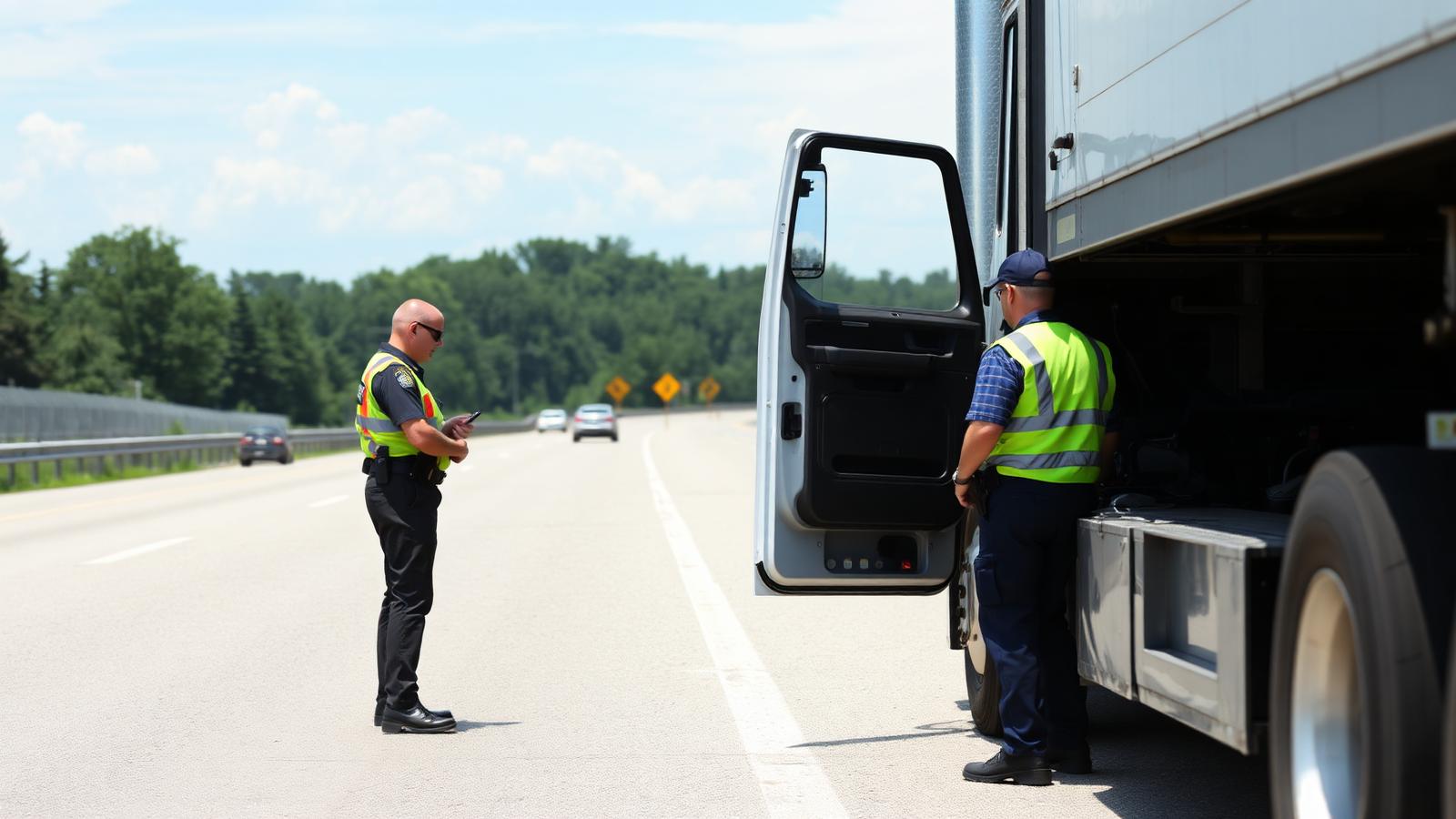
California Weigh Stations: When to Pull In or Bypass

California truck drivers must distinguish valid bypass authorization from approach alerts, missing signals and conditional pull-in instructions. Load restrictions and conflicting devices can require entry despite a green light. Prepare to enter safely, obey lawful officer directions, and preserve records after parking if an entrance is missed. Service enrollment alone does not authorize bypass.
EducationFree

What Commercial Drivers Should Do After a Traffic Ticket

Commercial drivers should preserve the citation, follow the court deadline, and distinguish a citation from a conviction. DataQs applies to FMCSA safety data, not ordinary court disputes. Employer notice may be due within 30 days after conviction or sooner after a license action. Court, California DMV, PSP, and inspection records should be checked separately after disposition.

InsightFree

How California Fleets Should Prepare for a CHP BIT Inspection

After receiving a CHP BIT notice, a California fleet should confirm the designated terminal and inspection scope, then match each vehicle to its 90-day inspections, maintenance, DVIR, and repair records. Driver files, EPN records, and hours-of-service documents also require review. Missing records must not be fabricated, and all dates and follow-up steps should follow the official notice.

What to Do When a Loaded Truck Is Over Axle or Overweight in California
EducationFree

What to Do When a Loaded Truck Is Over Axle or Overweight in California

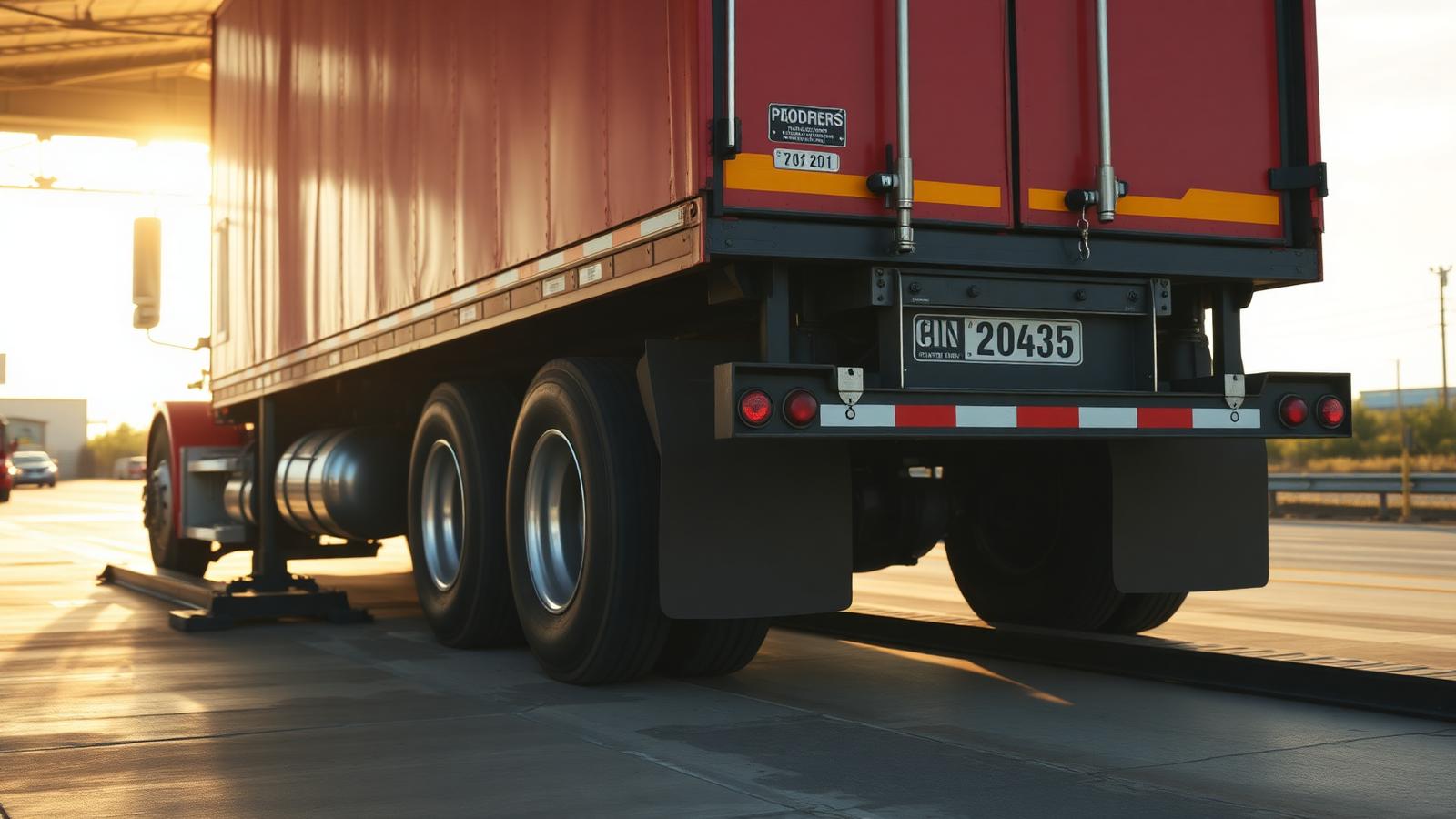
When a loaded truck is over axle or overweight in California, identify the exact limit shown on the scale ticket before moving. Sliding tandems can redistribute axle weight but cannot reduce gross weight. Reweigh after every adjustment, check locking pins, KPRA and route limits, and follow CHP directions if the vehicle is already on a public highway or under inspection.

How Fleets Should Prepare for 2026 CVSA Brake Safety Week
EducationFree

How Fleets Should Prepare for 2026 CVSA Brake Safety Week

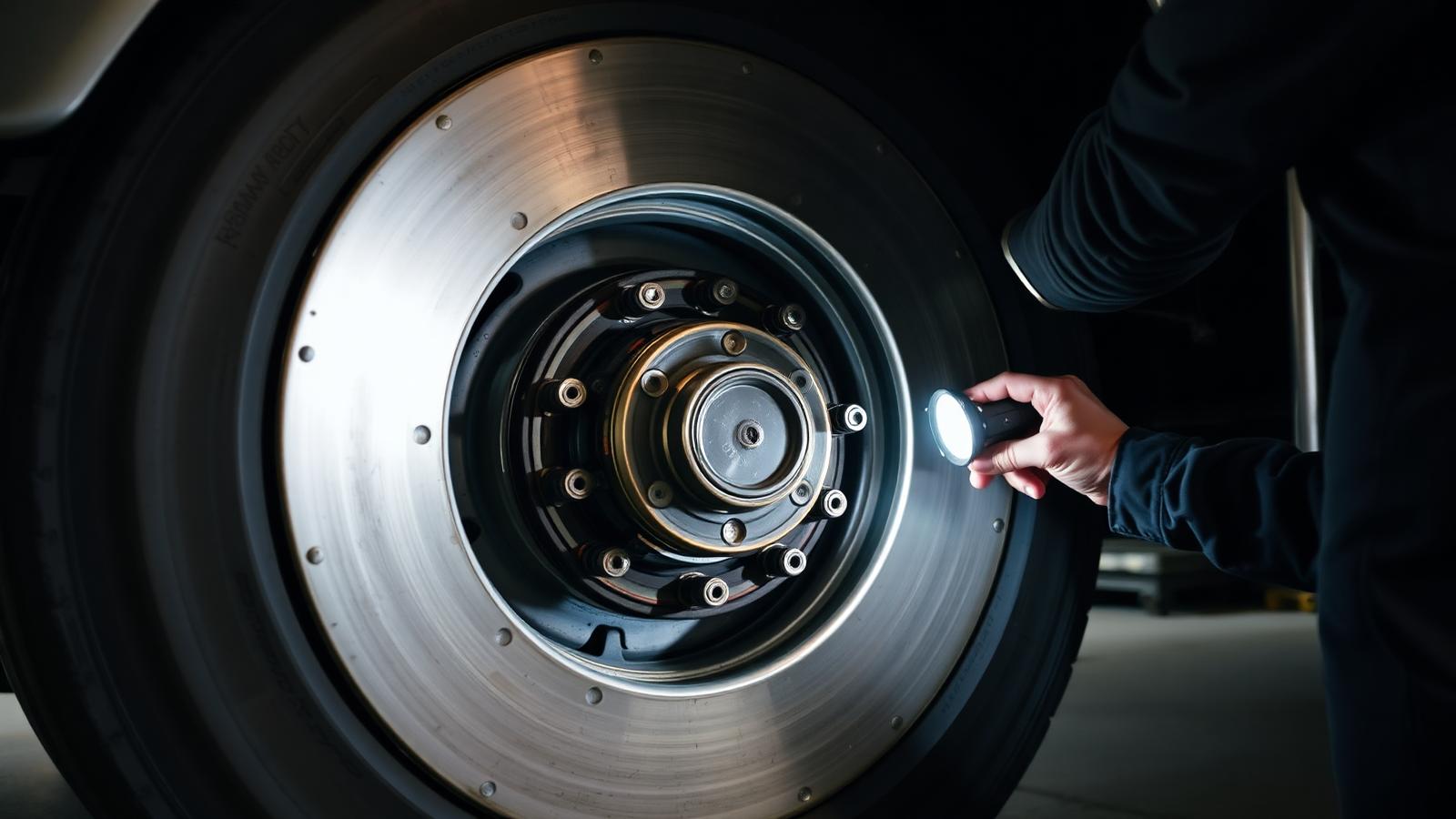
Before the 2026 CVSA Brake Safety Week, fleets should inspect visible drum and rotor damage, brake hoses, air-system functions and ABS warnings, then assign pushrod measurements and repairs to qualified personnel. DVIRs, repair certifications, maintenance files and periodic inspection records must match the actual vehicle. A completed checklist does not guarantee inspection clearance.

2026 English-Language Roadside Enforcement: What Truck Drivers and Fleets Need to Do
InsightFree

2026 English-Language Roadside Enforcement: What Truck Drivers and Fleets Need to Do

FMCSA’s 2026 roadside policy uses an English interview and highway-sign recognition to assess interstate CMV drivers under the longstanding federal qualification rule. Drivers should answer routine inspection questions without translation assistance, while fleets should practice real work conversations before dispatch. An out-of-service order requires immediate compliance, and DataQs is appropriate only for inaccurate, incomplete, or duplicated records.

DOT Roadside Inspection Preparation: Documents, Common Issues, and DataQs Review
EducationFree

DOT Roadside Inspection Preparation: Documents, Common Issues, and DataQs Review

Drivers and fleets should organize credentials, ELD and HOS records, vehicle documents, inspection proof, and cargo-specific paperwork before a DOT roadside inspection. Afterward, reports, out-of-service repairs, certification deadlines, and record retention require prompt handling. DataQs reviews incomplete or incorrect safety data but does not replace citation proceedings or guarantee a correction.