Content Hub

Read explanations, practical guides and industry perspectives on the questions drivers and operators face.

1–8 of 8 articlesAll categories#DOT

Clear all filters
EducationFree

Mandatory Brake Checks and Escape Ramps on California Downgrades

Commercial trucks must stop for posted mandatory brake checks near Nyack on westbound I-80. Choose speed and gear before descending, report defects and arrange qualified repairs. Very hot brakes require safe vehicle securement, and cooling does not establish roadworthiness. If brakes fail downhill, use an available escape ramp and obtain emergency assistance without delaying vehicle control.

InsightFree

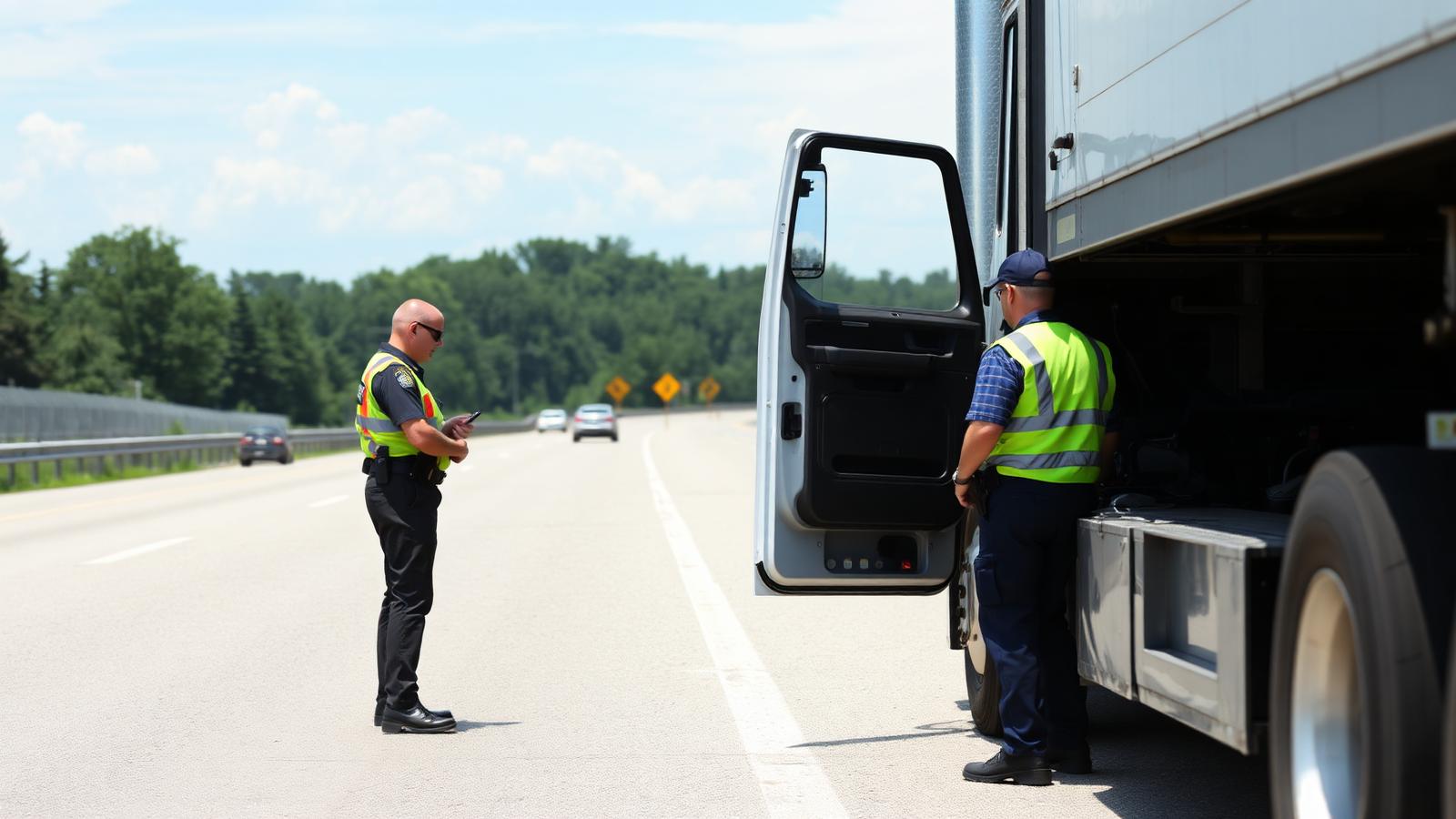
California Weigh Stations: When to Pull In or Bypass

California truck drivers must distinguish valid bypass authorization from approach alerts, missing signals and conditional pull-in instructions. Load restrictions and conflicting devices can require entry despite a green light. Prepare to enter safely, obey lawful officer directions, and preserve records after parking if an entrance is missed. Service enrollment alone does not authorize bypass.

EducationFree

Preparing for an FMCSA New Entrant Safety Audit

New interstate carriers should prepare real driver, hours-of-service, testing, vehicle and operating records for an FMCSA Safety Audit. Confirm the requested period and submission channel with the auditor. Address missing records honestly. If the audit fails, submit documented corrective actions promptly and distinguish CAP submission guidance from regulatory correction deadlines and any out-of-service effective date.

EducationFree

Verifying DOT Notices and Avoiding Fake Motus Requests

Trucking companies should verify DOT notices through official channels obtained independently of the message. Use the genuine Motus site, protect Login.gov credentials, and distinguish free biennial updates from private service charges. If information or money was exposed, secure accounts, contact payment providers, and preserve evidence. Fraud reports do not replace account recovery or verified compliance obligations.

InsightFree

What to Do When Clearinghouse Shows Prohibited and California Downgrades a CDL

A Prohibited Clearinghouse status bars CMV driving even when the physical CDL remains in hand. The driver must resolve any valid record issue or complete the SAP-led return-to-duty process, obtain an employer-ordered negative RTD test, and wait for proper reporting. After becoming Not Prohibited, verify California DMV commercial privileges and continue all required follow-up testing.

DOT Physical Completed but California DMV Has Not Updated the Medical Status
EducationFree

DOT Physical Completed but California DMV Has Not Updated the Medical Status

California NI drivers may no longer self-submit medical records as of July 27, 2026. When a new MEC has not reached DMV, confirm the examiner's National Registry submission and error tasks, ask DMV to retrieve the record, and verify the final CDLIS status. The temporary paper-MEC exemption does not automatically update or restore commercial driving privileges.

2026 English-Language Roadside Enforcement: What Truck Drivers and Fleets Need to Do
InsightFree

2026 English-Language Roadside Enforcement: What Truck Drivers and Fleets Need to Do

FMCSA’s 2026 roadside policy uses an English interview and highway-sign recognition to assess interstate CMV drivers under the longstanding federal qualification rule. Drivers should answer routine inspection questions without translation assistance, while fleets should practice real work conversations before dispatch. An out-of-service order requires immediate compliance, and DataQs is appropriate only for inaccurate, incomplete, or duplicated records.

DOT Roadside Inspection Preparation: Documents, Common Issues, and DataQs Review
EducationFree

DOT Roadside Inspection Preparation: Documents, Common Issues, and DataQs Review

Drivers and fleets should organize credentials, ELD and HOS records, vehicle documents, inspection proof, and cargo-specific paperwork before a DOT roadside inspection. Afterward, reports, out-of-service repairs, certification deadlines, and record retention require prompt handling. DataQs reviews incomplete or incorrect safety data but does not replace citation proceedings or guarantee a correction.