Content Hub

Read explanations, practical guides and industry perspectives on the questions drivers and operators face.

1–4 of 4 articlesAll categories#Weight & Loading

Clear all filters
InsightFree

California Weigh Stations: When to Pull In or Bypass

California truck drivers must distinguish valid bypass authorization from approach alerts, missing signals and conditional pull-in instructions. Load restrictions and conflicting devices can require entry despite a green light. Prepare to enter safely, obey lawful officer directions, and preserve records after parking if an entrance is missed. Service enrollment alone does not authorize bypass.
InsightFree

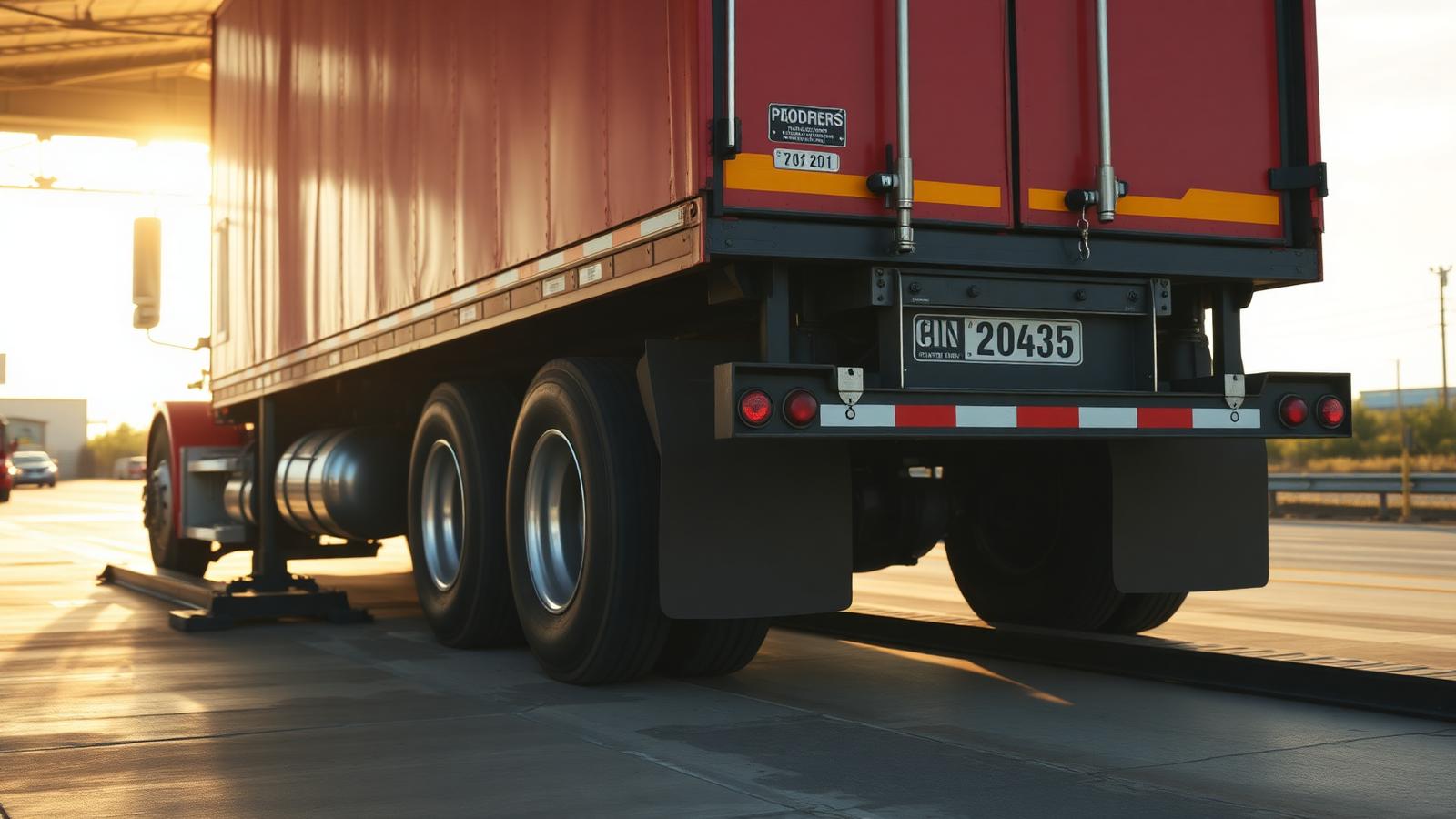
When Should Cargo Securement Be Rechecked After Loading?

Cargo securement must be checked before departure, within the first 50 miles, and again at the earliest duty-status change, three-hour point, or 150-mile point. Drivers should inspect both tension and damage, verify working load limits and commodity-specific rules, and stop safely for loose equipment, unusual noise, door deformation, or seal-related concerns.

InsightFree

Where Can a 53-Foot Trailer Travel in California? KPRA, STAA Routes and Local Access

A 53-foot semitrailer needs more than a legal trailer length to reach a California destination. Verify rear-axle configuration, KPRA, overall combination length, Caltrans route colors, local access and current road conditions. Green and blue routes generally serve STAA combinations; black and yellow routes do not. QuickMap supports same-day checks but does not provide legal truck navigation.

What to Do When a Loaded Truck Is Over Axle or Overweight in California
EducationFree

What to Do When a Loaded Truck Is Over Axle or Overweight in California

When a loaded truck is over axle or overweight in California, identify the exact limit shown on the scale ticket before moving. Sliding tandems can redistribute axle weight but cannot reduce gross weight. Reweigh after every adjustment, check locking pins, KPRA and route limits, and follow CHP directions if the vehicle is already on a public highway or under inspection.