Content Hub

Read explanations, practical guides and industry perspectives on the questions drivers and operators face.

17–24 of 28 articlesAll categories#Policy

Clear all filters
InsightFree

What to Do When Clearinghouse Shows Prohibited and California Downgrades a CDL

A Prohibited Clearinghouse status bars CMV driving even when the physical CDL remains in hand. The driver must resolve any valid record issue or complete the SAP-led return-to-duty process, obtain an employer-ordered negative RTD test, and wait for proper reporting. After becoming Not Prohibited, verify California DMV commercial privileges and continue all required follow-up testing.

EducationFree

What to Do When a Load Looks Suspicious or Pickup Information Changes

A valid MC or USDOT number cannot authenticate the person sending a load. Hold last-minute pickup, destination, vehicle, or payment changes; verify the registered entity through Motus and an independent SAFER callback; and preserve original records. Active theft requires 911 or local police. NCCDB, CHP CTIP, IC3, FTC, and DOT OIG serve different reporting purposes.

EducationFree

What to Do When Truck Parking Is Full and Your HOS Clock Is Running Out

A full truck stop does not extend HOS or automatically justify emergency or adverse-driving exceptions. Drivers should report limited time early, use legal backup parking, and apply Personal Conveyance only when off duty and moving for a non-business purpose to the first reasonable safe rest location. ELD records, freeway parking rules, and California idling limits still apply.

InsightFree

Where Can a 53-Foot Trailer Travel in California? KPRA, STAA Routes and Local Access

A 53-foot semitrailer needs more than a legal trailer length to reach a California destination. Verify rear-axle configuration, KPRA, overall combination length, Caltrans route colors, local access and current road conditions. Green and blue routes generally serve STAA combinations; black and yellow routes do not. QuickMap supports same-day checks but does not provide legal truck navigation.

What to Do When a Loaded Truck Is Over Axle or Overweight in California
EducationFree

What to Do When a Loaded Truck Is Over Axle or Overweight in California

When a loaded truck is over axle or overweight in California, identify the exact limit shown on the scale ticket before moving. Sliding tandems can redistribute axle weight but cannot reduce gross weight. Reweigh after every adjustment, check locking pins, KPRA and route limits, and follow CHP directions if the vehicle is already on a public highway or under inspection.

How Fleets Should Prepare for 2026 CVSA Brake Safety Week
EducationFree

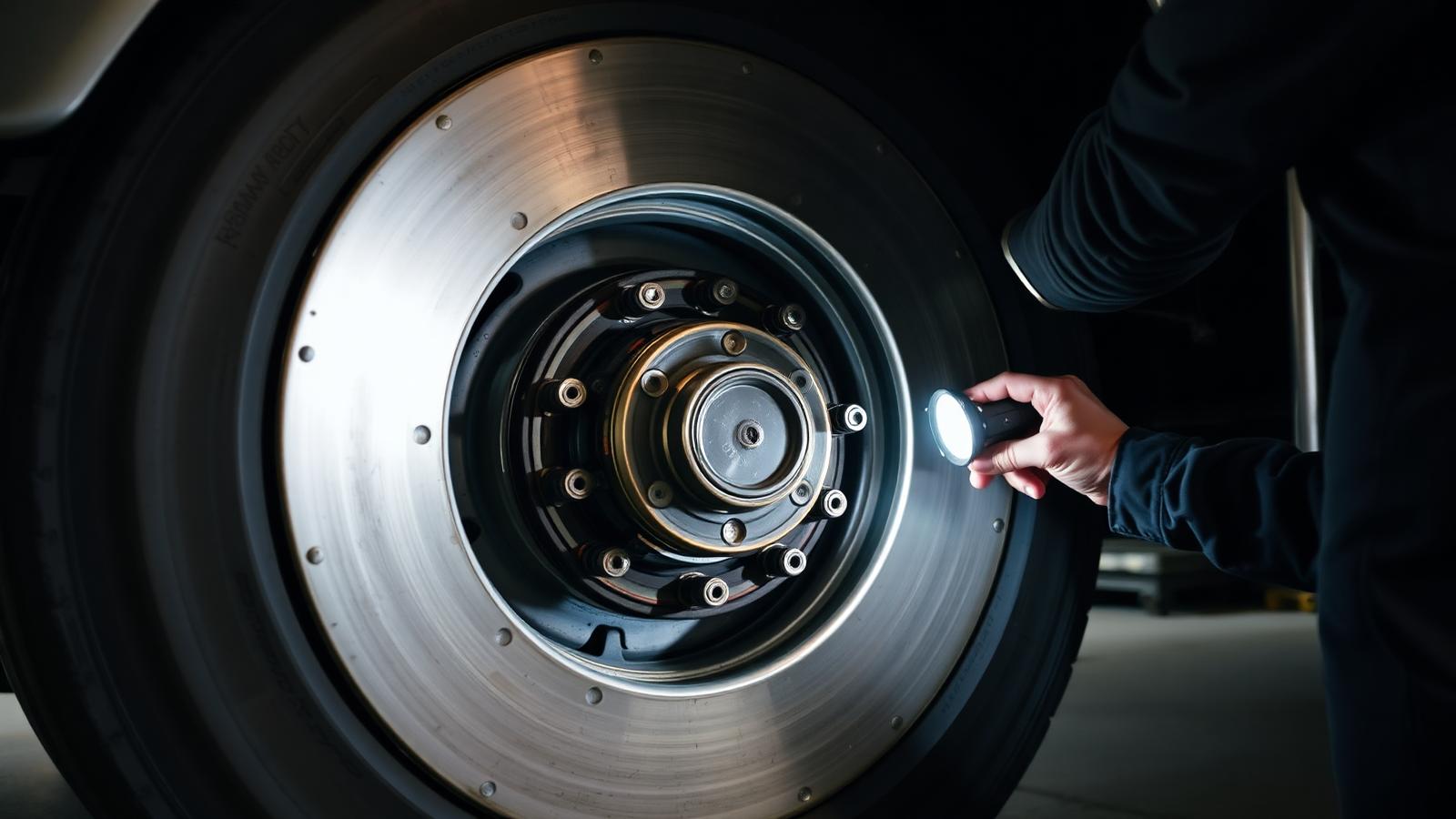
How Fleets Should Prepare for 2026 CVSA Brake Safety Week

Before the 2026 CVSA Brake Safety Week, fleets should inspect visible drum and rotor damage, brake hoses, air-system functions and ABS warnings, then assign pushrod measurements and repairs to qualified personnel. DVIRs, repair certifications, maintenance files and periodic inspection records must match the actual vehicle. A completed checklist does not guarantee inspection clearance.

DOT Physical Completed but California DMV Has Not Updated the Medical Status
EducationFree

DOT Physical Completed but California DMV Has Not Updated the Medical Status

California NI drivers may no longer self-submit medical records as of July 27, 2026. When a new MEC has not reached DMV, confirm the examiner's National Registry submission and error tasks, ask DMV to retrieve the record, and verify the final CDLIS status. The temporary paper-MEC exemption does not automatically update or restore commercial driving privileges.

What to Do When an ELD Malfunctions: The 24-Hour Notice, Seven-Day Records, Paper Logs, and Eight-Day Deadline
InsightFree

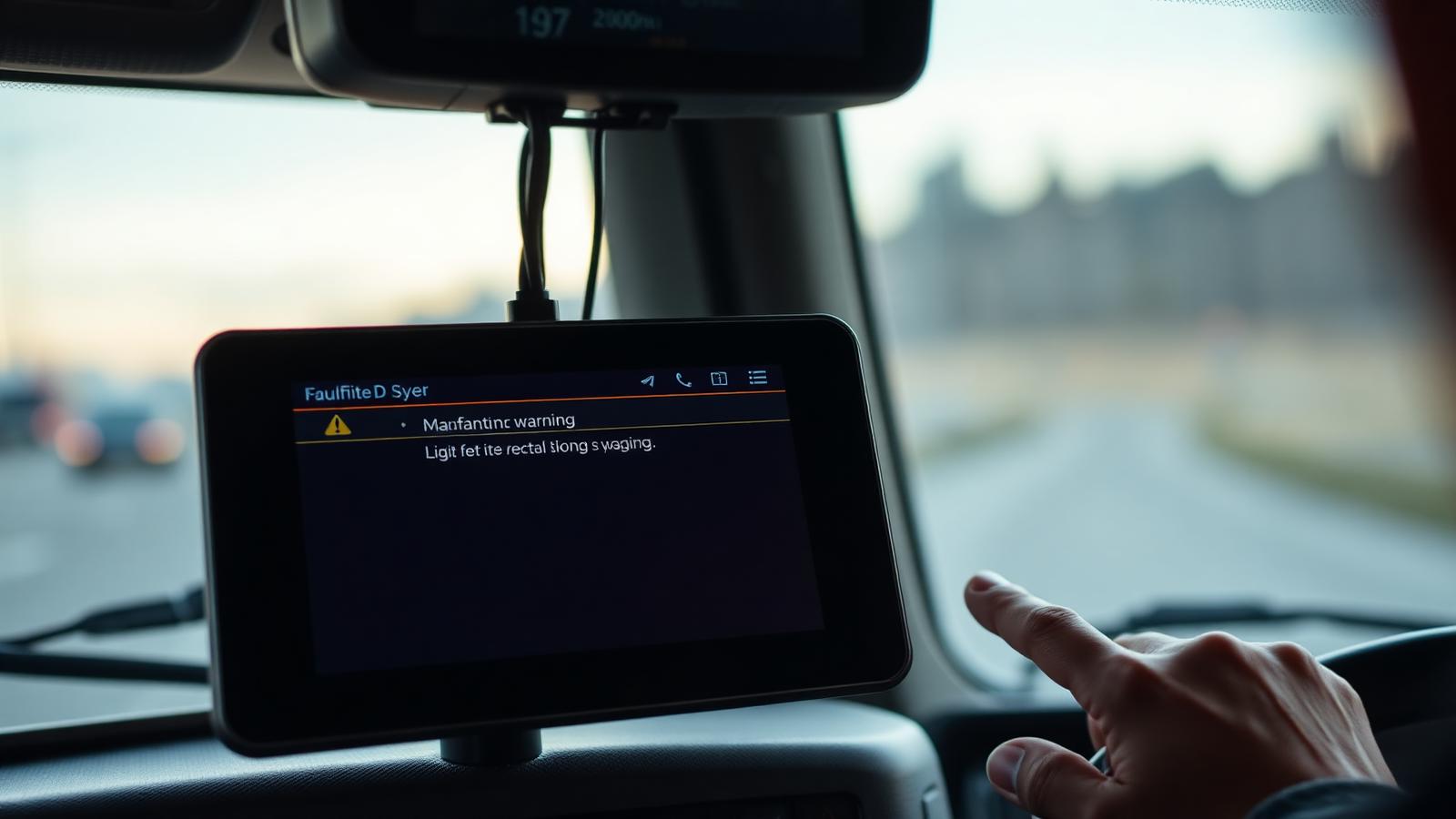
What to Do When an ELD Malfunctions: The 24-Hour Notice, Seven-Day Records, Paper Logs, and Eight-Day Deadline

An active ELD malfunction requires written notice to the motor carrier within 24 hours, reconstruction only of unavailable records for the current day and previous seven days, and continued manual logs without changing HOS limits. The carrier has eight days to restore compliance and must request additional time within five days after receiving the driver’s notice.