Content Hub

Read explanations, practical guides and industry perspectives on the questions drivers and operators face.

9–16 of 16 articlesInsightAll tags

Clear all filters
InsightFree

When Should Cargo Securement Be Rechecked After Loading?

Cargo securement must be checked before departure, within the first 50 miles, and again at the earliest duty-status change, three-hour point, or 150-mile point. Drivers should inspect both tension and damage, verify working load limits and commodity-specific rules, and stop safely for loose equipment, unusual noise, door deformation, or seal-related concerns.
InsightFree

How California Fleets Should Prepare for a CHP BIT Inspection

After receiving a CHP BIT notice, a California fleet should confirm the designated terminal and inspection scope, then match each vehicle to its 90-day inspections, maintenance, DVIR, and repair records. Driver files, EPN records, and hours-of-service documents also require review. Missing records must not be fabricated, and all dates and follow-up steps should follow the official notice.

InsightFree

What to Do When Clearinghouse Shows Prohibited and California Downgrades a CDL

A Prohibited Clearinghouse status bars CMV driving even when the physical CDL remains in hand. The driver must resolve any valid record issue or complete the SAP-led return-to-duty process, obtain an employer-ordered negative RTD test, and wait for proper reporting. After becoming Not Prohibited, verify California DMV commercial privileges and continue all required follow-up testing.

InsightFree

Where Can a 53-Foot Trailer Travel in California? KPRA, STAA Routes and Local Access

A 53-foot semitrailer needs more than a legal trailer length to reach a California destination. Verify rear-axle configuration, KPRA, overall combination length, Caltrans route colors, local access and current road conditions. Green and blue routes generally serve STAA combinations; black and yellow routes do not. QuickMap supports same-day checks but does not provide legal truck navigation.

What to Do When an ELD Malfunctions: The 24-Hour Notice, Seven-Day Records, Paper Logs, and Eight-Day Deadline
InsightFree

What to Do When an ELD Malfunctions: The 24-Hour Notice, Seven-Day Records, Paper Logs, and Eight-Day Deadline

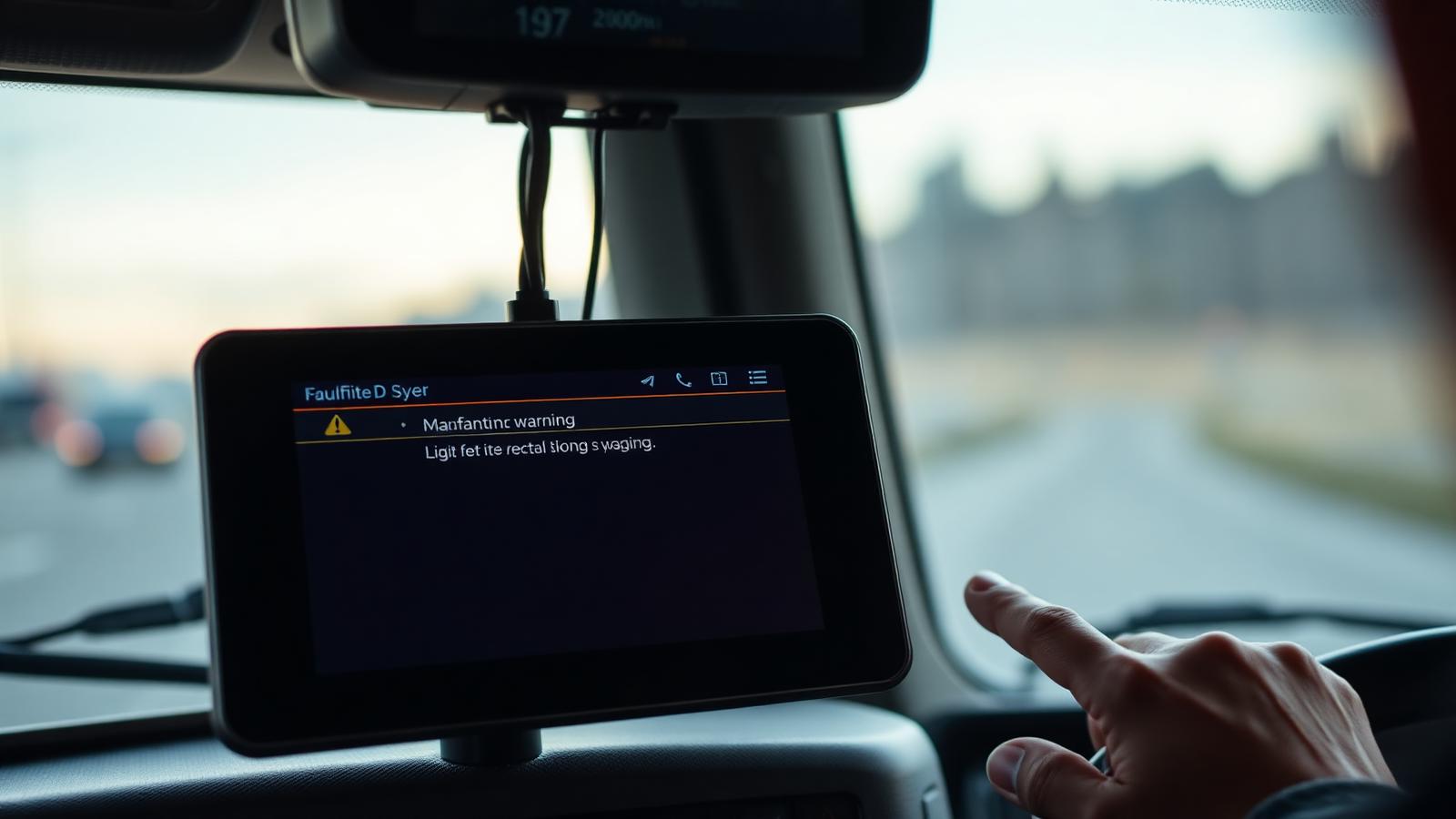
An active ELD malfunction requires written notice to the motor carrier within 24 hours, reconstruction only of unavailable records for the current day and previous seven days, and continued manual logs without changing HOS limits. The carrier has eight days to restore compliance and must request additional time within five days after receiving the driver’s notice.

2026 English-Language Roadside Enforcement: What Truck Drivers and Fleets Need to Do
InsightFree

2026 English-Language Roadside Enforcement: What Truck Drivers and Fleets Need to Do

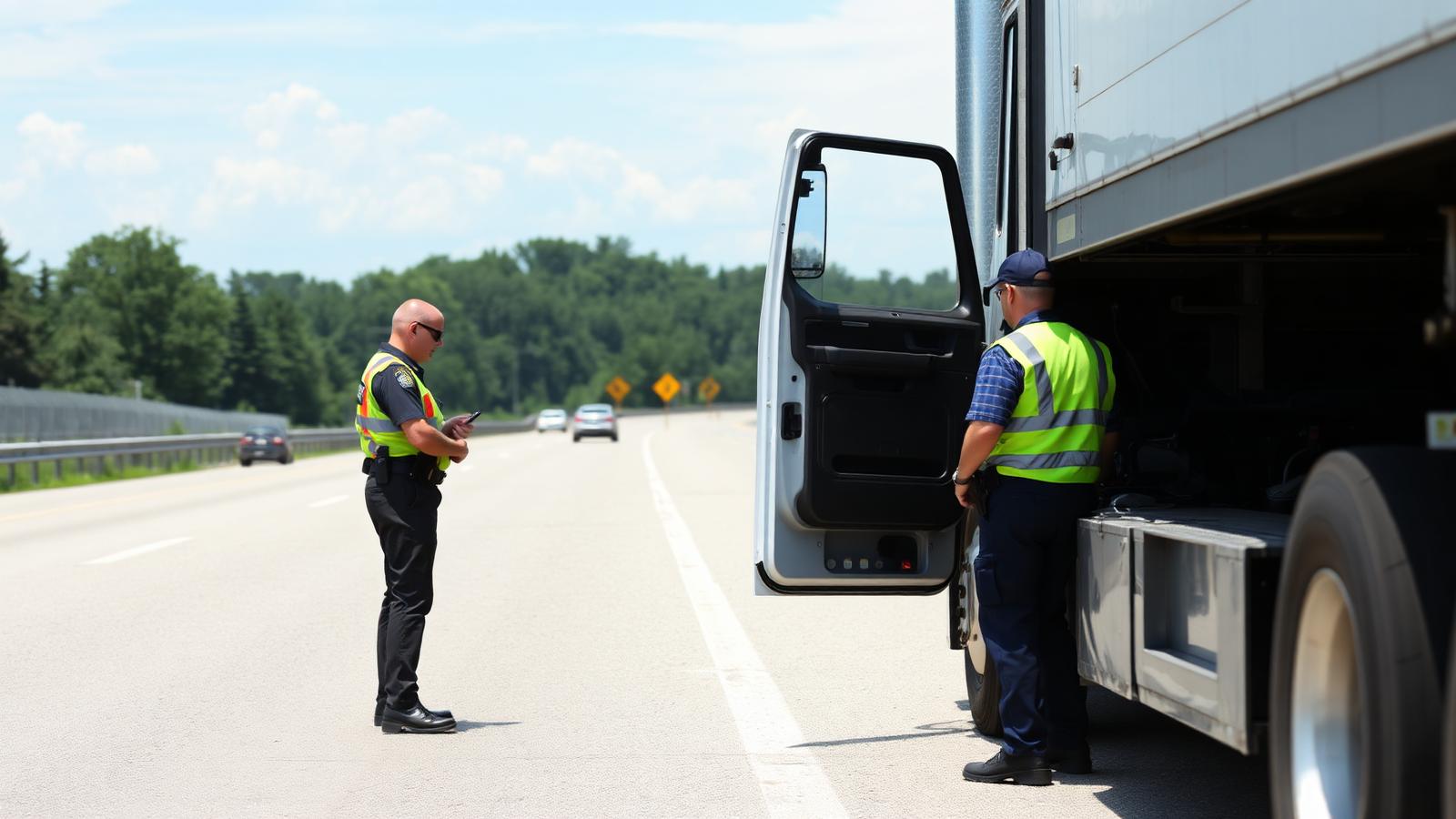
FMCSA’s 2026 roadside policy uses an English interview and highway-sign recognition to assess interstate CMV drivers under the longstanding federal qualification rule. Drivers should answer routine inspection questions without translation assistance, while fleets should practice real work conversations before dispatch. An out-of-service order requires immediate compliance, and DataQs is appropriate only for inaccurate, incomplete, or duplicated records.