Content Hub

Read explanations, practical guides and industry perspectives on the questions drivers and operators face.

1–7 of 7 articlesEducation#Safety

Clear all filters
EducationFree

Told the Truck Is Fixed? What to Verify Before Taking Over

Before taking over a repaired truck, match the vehicle IDs to the original defect, review applicable inspection reports and repair certification, and inspect the actual vehicle. Report unresolved symptoms or missing records to maintenance or safety personnel. Keep driver acknowledgment separate from repair certification, check applicable federal and California requirements, and leave clear handoff notes with pending items and contacts.
EducationFree

Mandatory Brake Checks and Escape Ramps on California Downgrades

Commercial trucks must stop for posted mandatory brake checks near Nyack on westbound I-80. Choose speed and gear before descending, report defects and arrange qualified repairs. Very hot brakes require safe vehicle securement, and cooling does not establish roadworthiness. If brakes fail downhill, use an available escape ramp and obtain emergency assistance without delaying vehicle control.

EducationFree

California MCP Suspension and Reinstatement

A California MCP suspension requires resolving every reason listed in the notice. Verify insurance filings, applicable EPN enrollment and driver status, and CHP corrective requirements. Submit the appropriate reinstatement request and confirm fees with DMV. Keep records and obtain confirmation of permit reinstatement before resuming covered operations; insurance renewal or payment alone does not authorize driving.

EducationFree

Preparing a Commercial Truck for Winter Mountain Routes in California

California commercial trucks need winter equipment matched to the actual tractor-trailer, not a fixed chain count or calendar date. Drivers should test-fit chains, check Caltrans QuickMap and CHIN, understand Donner truck screening and hold codes, and recognize that the Grapevine may use escorts or closures. Posted signs and current Caltrans or CHP instructions control the final decision.

EducationFree

What Should a Truck Driver Do After a Highway Shoulder Breakdown?

After a highway shoulder breakdown, assess immediate danger, call 911 when the truck blocks traffic or occupies a dangerous location, activate hazard flashers, and place warning devices when safe. Record breakdown time accurately, distinguish routine defects from unsafe or out-of-service conditions, and preserve inspection, towing, repair, and release-to-service records.

EducationFree

What California Truck Drivers and Fleets Should Do After a Collision

After a California commercial truck collision, protect people and the roadway, exchange information, preserve evidence, and notify the carrier and insurer. File SR-1 within 10 days when injury, death, or more than $1,000 in property damage is involved. DOT post-accident testing depends on fatality, medical treatment, tow-away damage, citations, and timing.

How Fleets Should Prepare for 2026 CVSA Brake Safety Week
EducationFree

How Fleets Should Prepare for 2026 CVSA Brake Safety Week

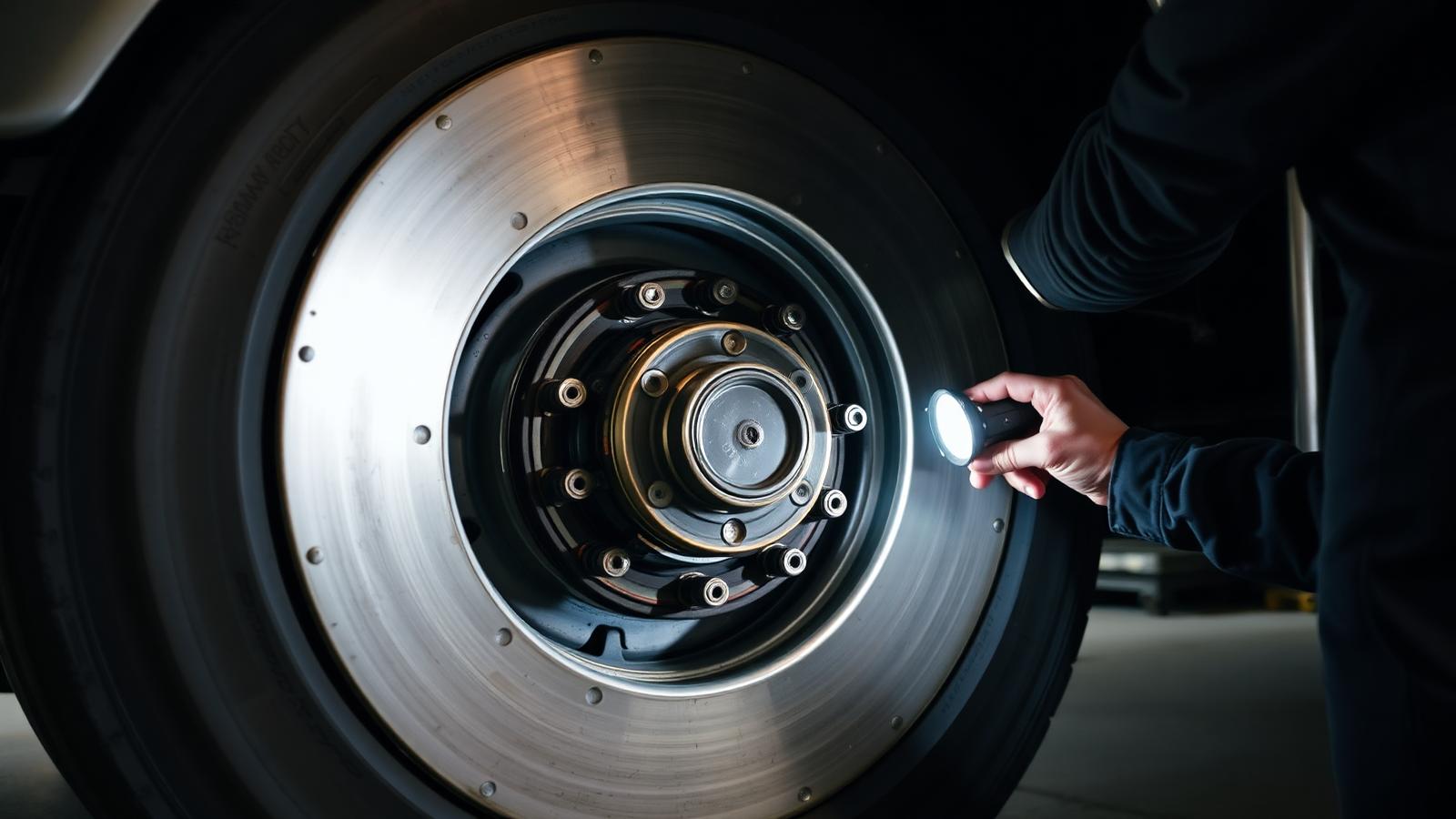
Before the 2026 CVSA Brake Safety Week, fleets should inspect visible drum and rotor damage, brake hoses, air-system functions and ABS warnings, then assign pushrod measurements and repairs to qualified personnel. DVIRs, repair certifications, maintenance files and periodic inspection records must match the actual vehicle. A completed checklist does not guarantee inspection clearance.