Content Hub

Read explanations, practical guides and industry perspectives on the questions drivers and operators face.

1–6 of 6 articlesEducation#Vehicle Inspection & Maintenance

Clear all filters
EducationFree

Told the Truck Is Fixed? What to Verify Before Taking Over

Before taking over a repaired truck, match the vehicle IDs to the original defect, review applicable inspection reports and repair certification, and inspect the actual vehicle. Report unresolved symptoms or missing records to maintenance or safety personnel. Keep driver acknowledgment separate from repair certification, check applicable federal and California requirements, and leave clear handoff notes with pending items and contacts.
EducationFree

Mandatory Brake Checks and Escape Ramps on California Downgrades

Commercial trucks must stop for posted mandatory brake checks near Nyack on westbound I-80. Choose speed and gear before descending, report defects and arrange qualified repairs. Very hot brakes require safe vehicle securement, and cooling does not establish roadworthiness. If brakes fail downhill, use an available escape ramp and obtain emergency assistance without delaying vehicle control.

EducationFree

Preparing for an FMCSA New Entrant Safety Audit

New interstate carriers should prepare real driver, hours-of-service, testing, vehicle and operating records for an FMCSA Safety Audit. Confirm the requested period and submission channel with the auditor. Address missing records honestly. If the audit fails, submit documented corrective actions promptly and distinguish CAP submission guidance from regulatory correction deadlines and any out-of-service effective date.

EducationFree

What Should a Truck Driver Do After a Highway Shoulder Breakdown?

After a highway shoulder breakdown, assess immediate danger, call 911 when the truck blocks traffic or occupies a dangerous location, activate hazard flashers, and place warning devices when safe. Record breakdown time accurately, distinguish routine defects from unsafe or out-of-service conditions, and preserve inspection, towing, repair, and release-to-service records.

How Fleets Should Prepare for 2026 CVSA Brake Safety Week
EducationFree

How Fleets Should Prepare for 2026 CVSA Brake Safety Week

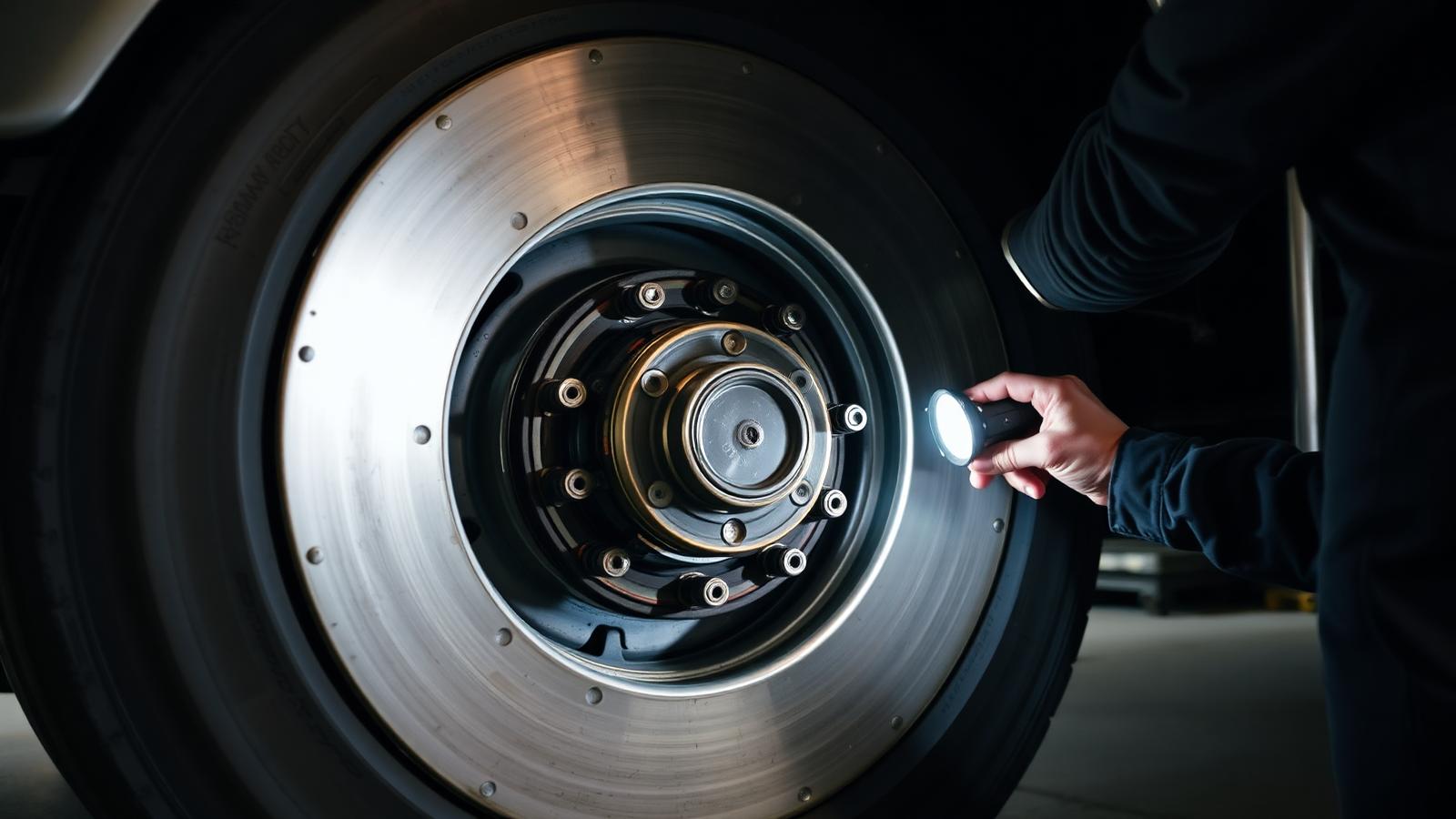
Before the 2026 CVSA Brake Safety Week, fleets should inspect visible drum and rotor damage, brake hoses, air-system functions and ABS warnings, then assign pushrod measurements and repairs to qualified personnel. DVIRs, repair certifications, maintenance files and periodic inspection records must match the actual vehicle. A completed checklist does not guarantee inspection clearance.

DOT Roadside Inspection Preparation: Documents, Common Issues, and DataQs Review
EducationFree

DOT Roadside Inspection Preparation: Documents, Common Issues, and DataQs Review

Drivers and fleets should organize credentials, ELD and HOS records, vehicle documents, inspection proof, and cargo-specific paperwork before a DOT roadside inspection. Afterward, reports, out-of-service repairs, certification deadlines, and record retention require prompt handling. DataQs reviews incomplete or incorrect safety data but does not replace citation proceedings or guarantee a correction.