
Content Hub

Read explanations, practical guides and industry perspectives on the questions drivers and operators face.

9–16 of 21 articlesEducation#Compliance

Clear all filters
EducationFree

How to Document and Recover Detention, Layover, TONU, and Lumper Charges

Detention, layover, TONU, and lumper reimbursement depend on the contract chain and contemporaneous evidence. Record the complete facility timeline, obtain written approval, preserve receipts and payment proof, request a revised rate confirmation, and submit one organized claim package. Keep ELD and hours-of-service records accurate throughout the process.
EducationFree

What Commercial Drivers Should Do After a Traffic Ticket

Commercial drivers should preserve the citation, follow the court deadline, and distinguish a citation from a conviction. DataQs applies to FMCSA safety data, not ordinary court disputes. Employer notice may be due within 30 days after conviction or sooner after a license action. Court, California DMV, PSP, and inspection records should be checked separately after disposition.

EducationFree

Preparing a Commercial Truck for Winter Mountain Routes in California

California commercial trucks need winter equipment matched to the actual tractor-trailer, not a fixed chain count or calendar date. Drivers should test-fit chains, check Caltrans QuickMap and CHIN, understand Donner truck screening and hold codes, and recognize that the Grapevine may use escorts or closures. Posted signs and current Caltrans or CHP instructions control the final decision.

EducationFree

What Should a Truck Driver Do After a Highway Shoulder Breakdown?

After a highway shoulder breakdown, assess immediate danger, call 911 when the truck blocks traffic or occupies a dangerous location, activate hazard flashers, and place warning devices when safe. Record breakdown time accurately, distinguish routine defects from unsafe or out-of-service conditions, and preserve inspection, towing, repair, and release-to-service records.

EducationFree

What California Truck Drivers and Fleets Should Do After a Collision

After a California commercial truck collision, protect people and the roadway, exchange information, preserve evidence, and notify the carrier and insurer. File SR-1 within 10 days when injury, death, or more than $1,000 in property damage is involved. DOT post-accident testing depends on fatality, medical treatment, tow-away damage, citations, and timing.

EducationFree

What to Do When a Load Looks Suspicious or Pickup Information Changes

A valid MC or USDOT number cannot authenticate the person sending a load. Hold last-minute pickup, destination, vehicle, or payment changes; verify the registered entity through Motus and an independent SAFER callback; and preserve original records. Active theft requires 911 or local police. NCCDB, CHP CTIP, IC3, FTC, and DOT OIG serve different reporting purposes.

EducationFree

What to Do When Truck Parking Is Full and Your HOS Clock Is Running Out

A full truck stop does not extend HOS or automatically justify emergency or adverse-driving exceptions. Drivers should report limited time early, use legal backup parking, and apply Personal Conveyance only when off duty and moving for a non-business purpose to the first reasonable safe rest location. ELD records, freeway parking rules, and California idling limits still apply.

What to Do When a Loaded Truck Is Over Axle or Overweight in California
EducationFree

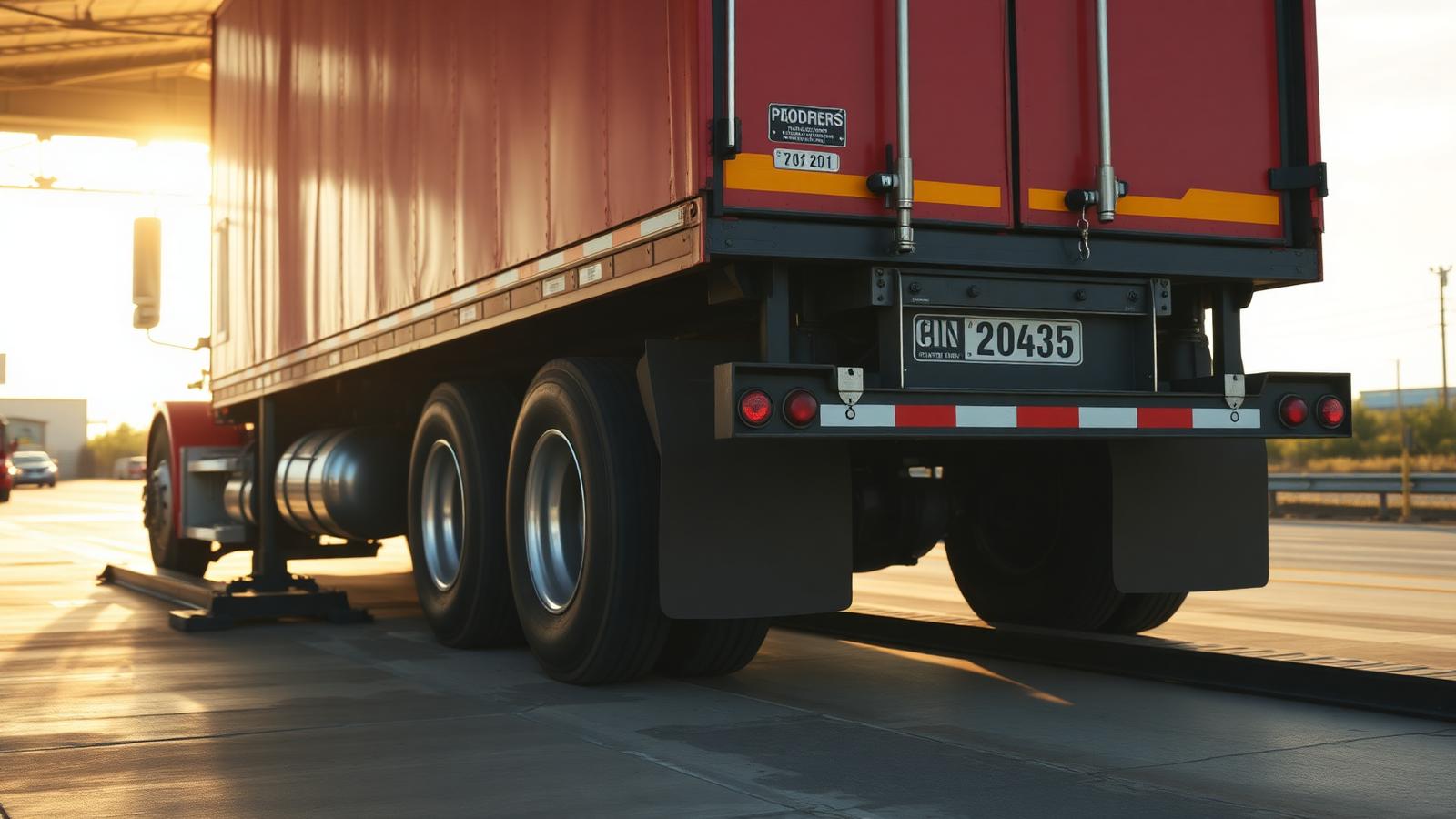
What to Do When a Loaded Truck Is Over Axle or Overweight in California

When a loaded truck is over axle or overweight in California, identify the exact limit shown on the scale ticket before moving. Sliding tandems can redistribute axle weight but cannot reduce gross weight. Reweigh after every adjustment, check locking pins, KPRA and route limits, and follow CHP directions if the vehicle is already on a public highway or under inspection.